

Are you overspending on your hybrid clusters? Hidden costs can seep in like a slow leak, quietly draining your budget. In this guide, we show you practical ways to trim unnecessary expenses and save money. First, we separate your on-premises investments from your cloud operating bills. Then, we explore automated tools that help keep your spending in check. With clear cost visibility and smart resource management, you can build a leaner and more predictable budget.
Establishing End-to-End Cost Visibility in Hybrid Clusters
A solid cost model starts by separating on-premises capital spending (CAPEX) from cloud operating expenses (OPEX). On-site investments cover hardware, software licenses, data center power, cooling, physical security, and staffing. In contrast, cloud services are billed by the hour, per gigabyte, or per transaction. This distinction helps you pinpoint spending patterns, especially since many organizations unknowingly waste thousands of dollars on unused resources.
Without full visibility, you might end up with shadow IT spend and idle virtual machines (zombie VMs). Shadow IT happens when teams bypass central controls and spend without proper oversight. Zombie VMs are inactive resources that still generate costs. By employing complete cost analytics, you can reveal hidden expenses and highlight gaps between expected and real spend. This unified approach ensures all resource usage is captured and analyzed.
The next step is to set up a clear tagging system using identifiers like owner, cost center, and application. Back these tags with a solid configuration management database (CMDB) to track resource ownership accurately. For example, label a resource with "owner: marketing" so you can quickly trace responsibility. This method gives you a detailed view of cost drivers and builds a transparent, end-to-end cost model for your hybrid clusters.
Automated Provisioning and Governance for Fiscal Efficiency in Hybrid Clusters
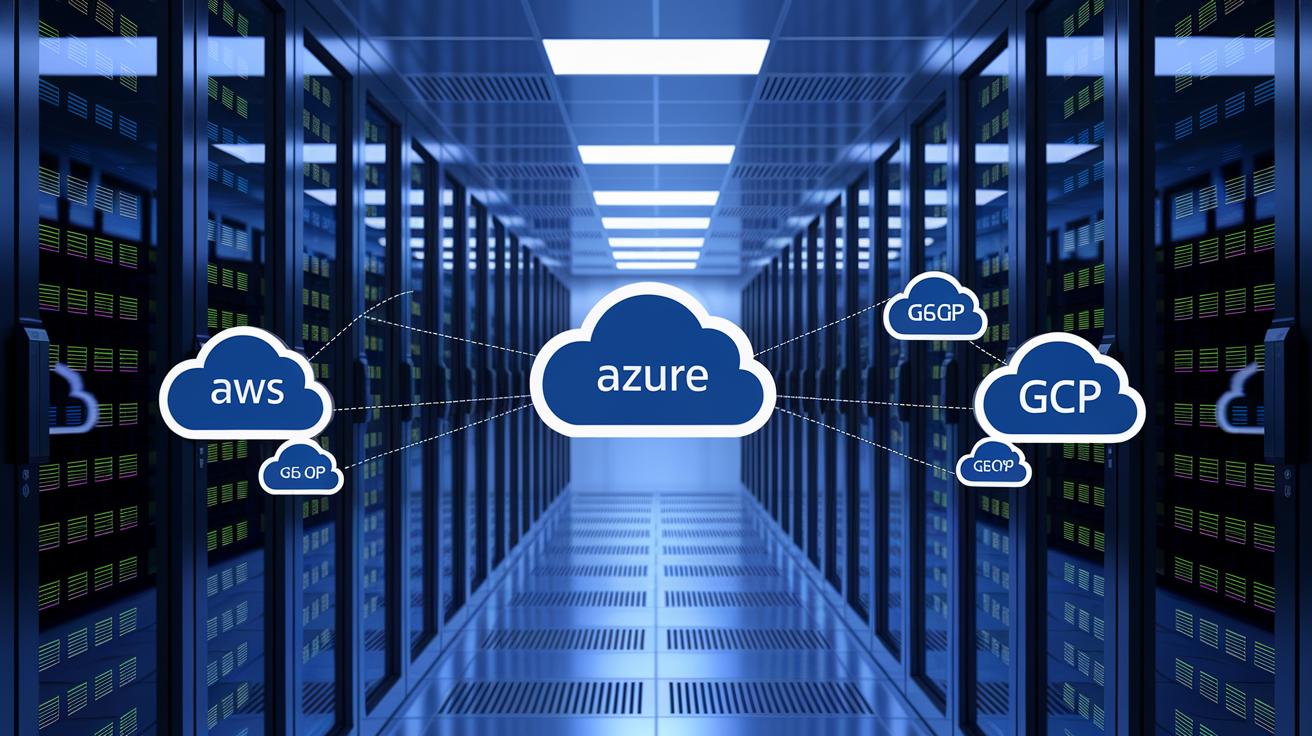
Automated provisioning gives you smart insights that help control spending by moving repetitive tasks to code. We use this approach across AWS, Azure, GCP, and on-prem systems. With Infrastructure as Code (IaC) frameworks, such as Terraform and CloudFormation, we build repeatable, version-controlled solutions that keep costs low. Native policy tools like AWS Config, Azure Policy, and GCP Organization Policies continuously check for any configuration changes. When combined with policy engines like Open Policy Agent (OPA) and Kyverno, these setups enforce best practices and block non-compliant deployments.
Automated guardrails help you avoid unexpected spending by validating every resource request against set quotas and policies. This proactive method shifts your expense management from reacting to issues to preventing them in the first place. Key strategies for disciplined cost control include:
| Strategy | Description |
|---|---|
| IaC Frameworks | Automate provisioning with version-controlled configurations. |
| Cloud-Native Policies | Monitor changes in real time to maintain compliance. |
| OPA/Kyverno | Enforce security and governance rules effectively. |
| Automated Compliance Checks | Detect misconfigurations before they lead to costly mistakes. |
This automation streamlines deployments while reducing errors. It lets teams focus on optimization rather than dealing with manual approvals. With these techniques, organizations gain clear control over resource use, ensuring fiscal efficiency without the hassle of continuous manual policy reviews.
Resource Rightsizing and Dynamic Scaling in Hybrid GPU Clusters
Efficient GPU clusters depend on matching resources precisely to your workload. Kubernetes tools like the Horizontal Pod Autoscaler and Cluster Autoscaler adjust the number of pods (individual units of work) and nodes (servers) in real time. When you set clear resource requests and limits, you avoid wasting capacity and cutting unnecessary costs. This method ensures your hybrid clusters run reliably and save money every day.
Dynamic scaling boosts overall cost efficiency even more. By using spot instances for noncritical GPU tasks, you tap into spare capacity at lower rates. This adaptive approach lets the cluster grow or shrink based on workload changes, giving essential tasks the dedicated power they need while keeping lower-priority jobs economical. Automated scaling cuts waste and delivers steady cost savings over time.
Monitoring resource use closely is vital for keeping your system balanced and reducing expenses. Setting strict controls like ResourceQuotas and LimitRanges stops any single namespace from using too much. Choosing the right node types based on GPU memory and compute profiles further improves efficiency. Following best practices for GPU allocation in hybrid clouds ensures that resources align perfectly with job demands, lowering operational costs across your clusters.
Balancing On-Premises Hardware Investments and Cloud Services in Hybrid Clusters

When you invest in on-premises hardware, you plan for costs like equipment, software licenses, data center facilities (power, cooling, security), and staffing. In contrast, public cloud spending works on a usage basis, meaning you pay per GPU-hour or per gigabyte used. You need to compare these usage costs against hardware depreciation and any vendor discounts to make smart spending decisions.
Regular hardware upgrades are key to keeping costs low and performance high. By planning updates, you benefit from improved performance and energy savings. Techniques like virtualization (running multiple virtual systems on one machine) and containerization (packaging software for consistent deployment) help boost utilization and reduce idle resources in your hybrid GPU clusters.
Balancing these two spending models means actively managing costs across both environments. Negotiating vendor rates and planning lifecycle management lets you optimize investments while controlling operational expenses. Combining scheduled hardware refreshes with efficient resource allocation helps lower total ownership costs and supports a sustainable mix of CAPEX and OPEX.
Continuous Monitoring and Cost Decommissioning for Ongoing Savings
Keeping an eye on your hybrid cluster in real time is key to managing costs. Tools like Prometheus and Grafana give you clear, live insights into resource use. They help you spot cost trends and quickly find inefficiencies like orphaned volumes, unused load balancers, or idle test clusters that add up to hidden expenses.
We run regular audits with automated shutdown scripts and smart scheduling. Using affinity and bin-packing rules, we pack workloads closer together to make the most of available resources while cutting overhead. These audits show underused assets and check that your compute and data sit together efficiently, lowering cross-zone and cross-region data transfer fees that can sneak up unexpectedly.
We also refine storage policies by choosing the right persistent volume types and setting tailored retention rules. This approach keeps clusters running at peak performance, cuts waste, and frees up funds for critical projects. Regular monitoring like this helps you maintain steady, predictable operating costs in even the most complex hybrid cluster setups.
Benchmarking and Case Studies: Financial Impact of Hybrid Cluster Optimization

Real-world tests of hybrid cluster optimization clearly show its financial benefits. We compared how performance lines up with costs and found that smart strategies save money and improve cost control. For instance, one case study showed that Finout, a Kubernetes-native financial operations platform, reduced cluster waste by 30% using detailed cost tracking. In another example, Cloudaware merged billing data from AWS, Azure, GCP, and VMware into one view, making it easier to compare expenses and understand cost drivers. A separate study on hybrid GPU deployment saved 25% on costs by applying rightsizing and autoscaling techniques, cutting the cost per GPU-hour.
The overall return on investment was calculated by comparing total ownership costs before and after these changes, showing that even small percentage improvements can add up to significant savings.
| Case Study | Savings (%) | Tools Used |
|---|---|---|
| Finout FinOps Optimization | 30% | Detailed Cost Tracking |
| Cloudaware Unified Billing | N/A | Consolidated Billing View |
| Hybrid GPU Deployment | 25% | Rightsizing & Autoscaling |
These examples show that a careful approach to benchmarking hybrid clusters not only refines cost models but also delivers ongoing financial improvements. With proven methods, you can boost efficiency and reduce waste in mixed environments.
Final Words
in the action, we broke down the approach to cost visibility, automated governance, adaptive scaling, and balanced spending agreements between on-premises hardware and cloud services.
We examined tagging practices, Infrastructure as Code, autoscaling, and continuous monitoring to simplify and improve operational efficiency.
Real case studies highlighted how these steps deliver reliable and measured savings.
By embracing cost optimization strategies for hybrid clusters, teams can achieve faster iteration, improved predictability, and a positive impact on budgets.
FAQ
What are cost optimization strategies for hybrid clusters AWS?
The cost optimization strategies for hybrid clusters AWS involve balancing on-premises investments with cloud consumption using tagging, CMDB tracking, and automated governance to identify shadow spend and fine-tune resource allocation.
What are the best cost optimization strategies for hybrid clusters?
The best strategies combine resource rightsizing, dynamic scaling using autoscalers, expense tracking by namespace, and automated provisioning through Infrastructure as Code to minimize overspend and boost transparency.
What is Kubecost?
Kubecost is a tool that maps Kubernetes spending to specific namespaces, enabling you to monitor expenses, optimize resource usage, and quickly identify cost drivers within cloud-native environments.
What are EKS hybrid nodes best practices?
EKS hybrid nodes best practices focus on integrating on-prem with cloud workloads through proper node selection, effective tagging, automated policy enforcement, and detailed cost monitoring per namespace to ensure optimal performance.
How do AWS EKS cost savings work?
AWS EKS cost savings work by leveraging resource tagging, autoscaling policies, and cost explorer tools to monitor usage per namespace, which helps reduce waste and ensure efficient resource deployment.
How is EKS cost monitoring performed?
EKS cost monitoring is performed by employing dashboards and cost explorer tools that track resource consumption and namespace spending, allowing you to adjust configurations and prevent overspend in real-time.
How does Cost Explorer work with Kubernetes?
Cost Explorer for Kubernetes aggregates cloud expense data and ties it to namespaces, providing clear insights that help you optimize resource allocation and adjust spending based on real usage patterns.
How is EKS cost calculated per namespace?
EKS cost per namespace is calculated by breaking down resource usage metrics, applying cost allocation tags, and analyzing billing data to ensure expenses align with actual workload demands and budget targets.