

Have you ever considered that smarter GPU scheduling might turn wasted cycles into real compute gains? In our case study, we applied multi-tenant GPU scheduling on a shared cluster and processed 100,000 deep learning jobs over two months. By rethinking resource allocation, we cut down on idle time and boosted overall utilization. Our results show that careful local scheduling can make shared GPUs work much harder and more efficiently. In this article, we explain the methods and share the outcomes of this practical approach to solving resource fragmentation in compute-heavy projects.
Case Study Overview of Multi-Tenant GPU Scheduling for Utilization Gains
We ran this study on a shared GPU cluster that processed 100,000 deep learning jobs over two months. Our cluster supported many teams working on compute-intensive tasks. They used shared GPUs for training using stochastic gradient descent (a method for teaching deep learning models). We found that many jobs, especially in projects using TensorFlow, PyTorch, Caffe, or CNTK, did not need a full GPU. This made sharing resources a natural choice.
Our cluster used a strong network with 100 Gbps InfiniBand for fast communication within racks and Ethernet links between racks. This high-speed setup helped reduce data transfer delays. It kept multi-GPU jobs working together smoothly while keeping the extra communication work low. This allowed us to run demanding deep learning tasks without slowing things down.
We faced some challenges with resource use. Almost 55% of GPU time was lost because jobs failed or were stopped manually. This showed us that resource fragmentation and scheduling needed improvement. We learned that keeping multi-GPU jobs on the same node or in the same rack (locality-aware scheduling) helped. This approach reduced idle time on GPUs and made them work at a higher rate.
Challenges in Multi-Tenant GPU Scheduling Environments
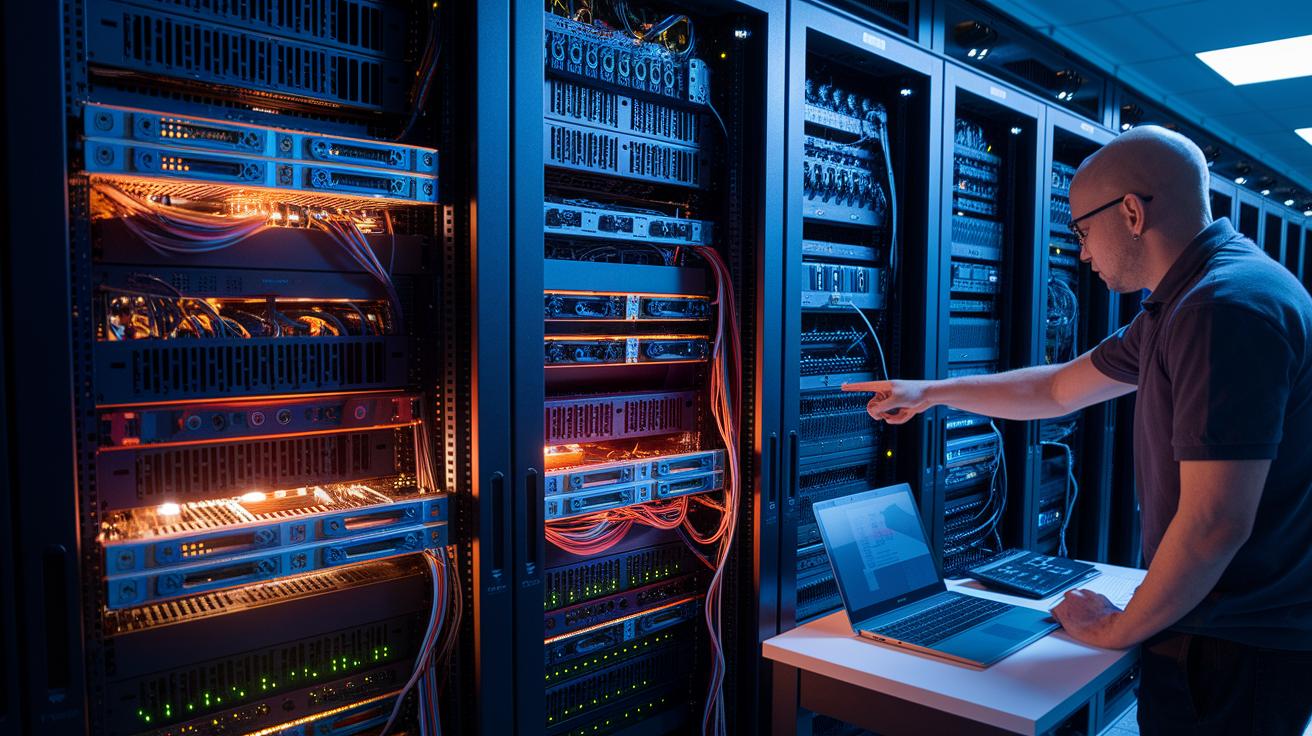
In a shared GPU setup, many users try to use the same physical hardware at once. This often means that tasks get delayed and performance drops. When workloads run together, resource splits become uneven and jobs interfere with each other, causing extra system work and longer wait times.
Some common issues include:
- Resource fragmentation caused by strict location rules, leaving many slices idle.
- Job interference when users share on-card memory and PCIe lanes (the high-speed connection on your graphics card), which slows performance.
- Long queue delays driven by fragmentation rather than fair scheduling.
- Around 55% of GPU cycles wasted on jobs that either fail or are stopped manually.
- Gang scheduling trade-offs where extra coordination for multi-GPU tasks reduces overall use.
These challenges force jobs to wait inefficiently and lower GPU throughput. The mix of idle hardware, interference between tasks, and the tough balance of coordination versus optimal placement makes it hard to achieve high efficiency in multi-tenant GPU clusters.
Scheduling Strategies in Multi-Tenant GPU Case Study
Locality-Aware Scheduling
We set our placement policies so that multi-GPU jobs run on the same machine or in the same rack. This keeps the GPUs close together and taps into high-speed RDMA InfiniBand (a fast data connection). For deep learning tasks, this means the GPUs communicate quickly without wasting time waiting.
Gang Scheduling
We also use gang scheduling, which reserves all needed GPUs at once. With this approach, every GPU starts together. Although you might wait a bit longer in the queue, it helps make model training more consistent and predictable.
Kueue System for Fair GPU Allocation
We introduced the Kueue batch job scheduler on OpenShift to manage GPU pod allocation fairly. Kueue shows pod-level GPU metrics, which allows us to balance resources across tenants. This way, no single workload hogs the GPUs, and every user gets a fair share of our resources.
Dynamic Job Migration
When a job gets stuck due to poor initial placement, we use dynamic job migration to improve locality. Jobs waiting in the queue can be moved live to a better location. This policy balances the waiting time with the benefits of optimal placement, helping maintain a steady flow of work across the cluster.
Measured Utilization Improvements in Multi-Tenant GPU Scheduling

We set up an observability system by integrating NVIDIA DCGM (a GPU monitoring tool) into the NERC Observability Dashboard. This configuration allowed us to see detailed performance data for each GPU while also getting a view of the entire system at once. The dashboard, noted in our Multi-Tenant GPU Resource Management guide, helped us easily track shared resource behavior by merging data from individual GPUs and the overall cluster.
On the individual GPU side, we monitored key stats like GPU utilization, memory usage, temperature, power draw, and per-process activity. This detailed view showed us when a GPU was busy and how different tasks affected its performance. We found strong links between where tasks were placed and the performance numbers. For instance, even a small improvement in consistent memory usage led to a lower power draw, keeping GPUs more efficient during heavy deep learning tasks.
At the cluster level, data from OpenShift gave us insights into active GPU pods per namespace, storage request percentages, and memory limits. Watching these numbers helped us see that smart resource reallocation cut down on idle time. Locality-aware scheduling worked well by reducing CPU and memory bottlenecks, which in turn sped up data transfer and balanced workloads more evenly.
Together, these improvements increased the average active time of GPUs while cutting down on idle periods. Comparing data from before and after the new scheduling shows that monitoring and informed adjustments played a key role in boosting overall productivity. This practical, data-driven approach is essential for optimizing resource sharing in a multi-tenant GPU cluster.
Lessons Learned and Best Practices for Multi-Tenant GPU Scheduling
Our research shows that efficient GPU (graphics processing unit) scheduling in multi-tenant setups rests on three main ideas: keeping tasks local, moving jobs when needed, and smart queue grouping. We found that these principles help reduce delays and boost resource use.
Focusing on locality means assigning jobs within the same rack to lessen interconnect delays and keep GPUs busy. Imagine seating a team together so collaboration speeds up.
Job migration is equally important. If a task ends up on a crowded node, moving it to a less busy one can significantly cut wait times. Think of it like shifting a stalled process to a clearer lane.
Even a short wait in a queue can pay off if it allows for better resource grouping, leading to higher throughput. And with strict network separation and fair-share scheduling using solutions like Kueue, you protect data privacy and ensure a balanced distribution of resources.
Roadmap for Implementing Multi-Tenant GPU Scheduling at Scale

Begin by evaluating your cluster and planning your upgrade. Check your current setup for any network slowdowns or storage issues. A good example is moving teaching workloads to Red Hat OpenShift on an NERC cluster in the Mass Open Cloud, it shows an effective, real-world transition. Focus on separating your network resources, isolating storage, and adjusting compute allocations. This clear foundation helps remove old limits and gears your system up to handle many GPU (graphics processing unit) tasks simultaneously.
Next, set up scheduling and monitoring tools to make the best use of your resources. Integrate NVIDIA DCGM observability into your operations to track live GPU and pod performance in real time. Deploy the Kueue scheduler on OpenShift to balance GPU batch jobs among different users. These tools give you a clear view of how tasks are distributed, so you can easily adjust priorities and ensure fair workload management across the board.
Finally, keep tuning your system with dedicated dashboards and regular feedback. Monitor key metrics like GPU usage, memory consumption, and network delay to pinpoint where improvements are needed. By routinely adjusting job placement and scheduling settings, you can minimize idle time and shorten queue delays. Analyzing live data alongside historical trends lets your team quickly fix issues and scale resources, ensuring your multi-tenant GPU environment runs efficiently and reliably.
Final Words
In the action, our case study explored a multi-tenant environment where precise scheduling dramatically improved workload distribution. We examined network design, job migration, and fair GPU pod allocation, addressing common challenges like resource fragmentation and queue delays.
We saw a clear multi-tenant gpu scheduling case study (utilization increase) where locality-aware techniques boosted busy time and reduced idle cycles. The case study proves that smart scheduling can keep render and training times in check, paving the way for faster and predictable production outcomes.
FAQ
Frequently Asked Questions
What is multi-tenant GPU scheduling?
Multi-tenant GPU scheduling refers to managing GPU resources across several users or departments, maximizing utilization and reducing idle time by aligning deep learning tasks within a shared cluster.
What are the main challenges in multi-tenant GPU scheduling environments?
The main challenges include resource fragmentation from strict locality, interference over shared memory and PCIe lanes, long queue delays, and significant GPU cycles lost to failed or terminated jobs.
How does locality-aware scheduling improve GPU utilization?
Locality-aware scheduling groups jobs on the same machine or rack, reducing network latency and optimizing resource sharing, which leads to higher GPU busy time and better overall efficiency.
How does gang scheduling benefit multi-GPU deep learning tasks?
Gang scheduling coordinates the simultaneous reservation of multiple GPUs, reducing straggler effects and synchronization delays while managing potential queuing issues during peak times.
What role does the Kueue system play in GPU scheduling?
The Kueue system on OpenShift surfaces pod-level GPU metrics and supports fair and balanced tenant access by allocating GPU resources effectively across multiple jobs.
How does dynamic job migration enhance scheduling efficiency?
Dynamic job migration enables shifting pending jobs to achieve better locality and resource consolidation, which minimizes queue delays and boosts overall GPU performance.
What key metrics are used to measure GPU utilization improvements?
Key metrics include GPU utilization, memory usage, temperature, and power draw, while the NERC Observability Dashboard integrates these factors for real-time monitoring and performance evaluation.
What best practices emerge for multi-tenant GPU scheduling?
Best practices include prioritizing locality, enabling job migration, and balancing queue delays, alongside maintaining strict network separation and fair-share scheduling to enhance overall resource efficiency.
How can organizations implement multi-tenant GPU scheduling at scale?
Organizations should assess their cluster infrastructure, deploy scheduling tools like Kueue, integrate monitoring with dashboards such as DCGM, and adjust configurations iteratively to optimize workload distribution.