
Have you ever wondered if GPUs (graphics processing units) are about to change industries beyond gaming? Today, these devices do more than render images. They cut render times, speed up model training, and drive breakthroughs in fields like drug discovery and virtual reality.
GPUs now play a key role in AI and machine learning projects, and they pair open-source tools with traditional computing methods for smarter, more cost-effective solutions. In our data-driven world, emerging GPU techniques will spark new ideas and help us solve tough challenges.
Core Future Trends Shaping GPU Workflows

GPU workflows are rapidly evolving thanks to advances in artificial intelligence, machine learning, and high-performance computing. These breakthroughs not only cut render time and speed up model training but also boost real-time visualization. Before GPUs drove today's AI breakthroughs, they only handled graphics. Now, they power everything from drug discovery to immersive virtual worlds.
Open-source projects, like AMD’s ROCm (a GPU compute platform), are lowering costs and encouraging collaboration. They give organizations a flexible and scalable solution. Meanwhile, NVIDIA’s CUDA (a GPU computing toolkit) remains a go-to for high performance in many production settings. This mix of options lets companies choose the best fit for their workload needs.
Heterogeneous computing, which blends GPUs with CPUs, FPGAs (field-programmable gate arrays), and specialized processors like Tensor Processing Units (TPUs), is taking the lead. This approach cuts down on data transfer delays and boosts parallel processing. It helps streamline complex tasks while advancing energy-efficient designs. Innovations in liquid cooling, smart power management, and edge-optimized parts pave the way for sustainable high performance.
As the demand for AI and high-performance computing grows, workflow design is also changing. New memory systems and chiplet technologies work together to improve throughput and reduce costs. In this way, future GPU workflows will stay innovative and adaptable in our data-driven world.
AI and ML Integration in Future GPU Workflows
Embedded intelligence is reshaping GPU workflows by automating tasks and managing resources more smartly. AI features like real-time inference (instant analysis) and automated hyperparameter tuning (automatic adjustment of model settings) simplify model deployment. For example, you can run a training session with a command like "model.train(autoTune=True)" and let the system tune parameters on the fly.
New Tensor Cores boost both precision and efficiency, potentially cutting training times by up to 30%. This speedup is important for deep learning render optimization. Faster inference means complex scenes and large-scale computations finish sooner, letting artists and engineers iterate without delay. Picture a heavy simulation wrapping up in less than half the original time, a real win in productivity.
ROCm and CUDA ecosystems are also stepping up their game by adding dynamic workload orchestration. Using smart machine intelligence, these frameworks monitor resource use and adjust compute cycles in real time. In other words, the system continually optimizes itself to deliver top performance, even when workloads change.
Predictive workload orchestration adds another layer of benefit by spotting potential bottlenecks and redistributing tasks before issues arise. This makes future GPU workflows not only ready for current demands but also scalable for tomorrow’s data-heavy challenges.
Here's a tip: Test your model with automated validation steps to fine-tune performance metrics continuously. This practice shows how integrating AI leads to GPU operations that are smarter, more efficient, and adaptable.
Heterogeneous and Parallel Processing Strategies in GPU Workflows
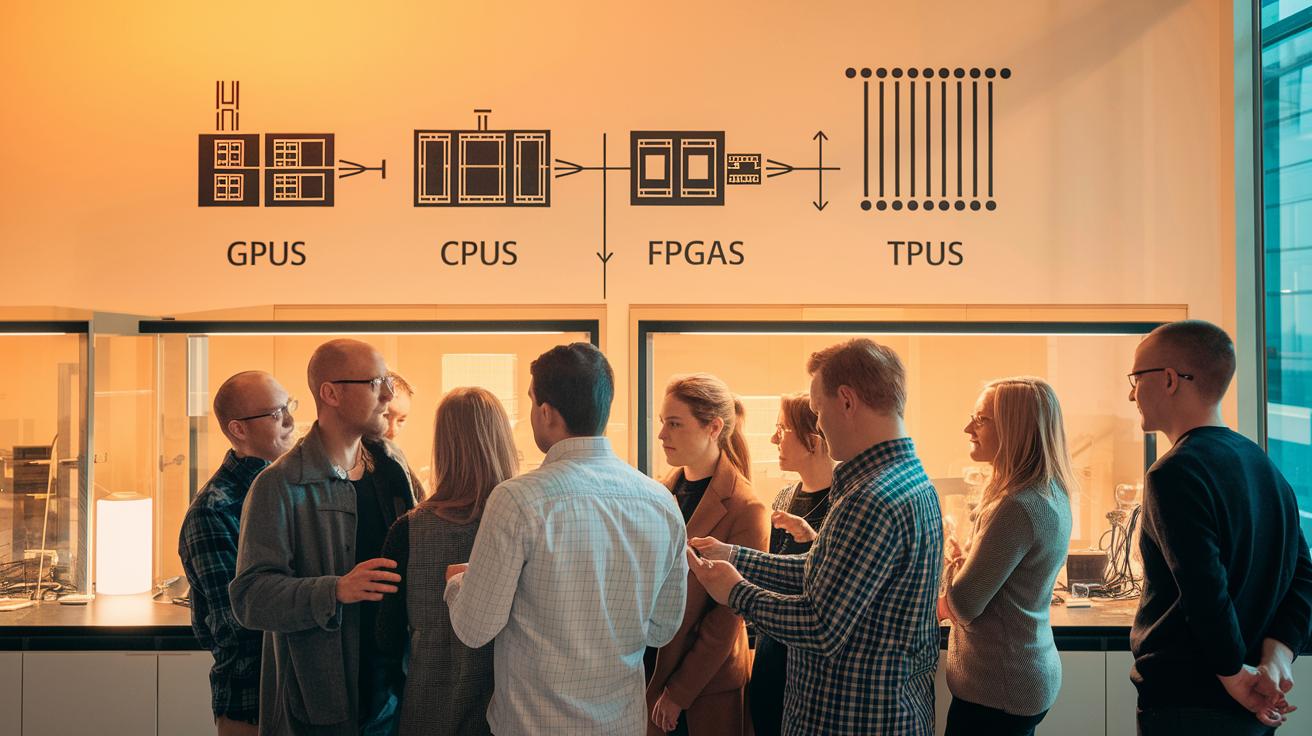
Heterogeneous computing mixes different processors like GPUs, CPUs, FPGAs (programmable chips), and TPUs (tensor processing units) to speed up work and cut down on data transfer delays. This approach splits tasks smartly across the system so calculations finish faster. For example, a command like "launch_task(split=True)" shows how these processors work together at the same time.
Modern chiplet designs and unified memory help break down vendor barriers. They let you build workflows that use the best parts of different hardware platforms without extra delays from data movement. Here's a quick code snippet that shows this idea:
if task == "process_image":
    use_GPU(memory=unified)
else:
    dispatch_to_CPU()
New parallel execution models are reshaping how we handle data. Graph-based methods create clear data paths that reveal slow spots, making it easy to shift work as needed. This is key as AI and high-performance computing tasks grow and require more responsive processing speeds.
These strategies bring clear benefits:
- They lower delays by overlapping computations.
- They boost scalability by combining various processors.
- They manage resources on the fly according to workload changes.
As these advanced techniques mature, we can expect even smoother pipelines with higher throughput, driving new levels of innovation in rendering, simulations, and beyond.
Advanced GPU Architectures and Memory Innovations in Workflows
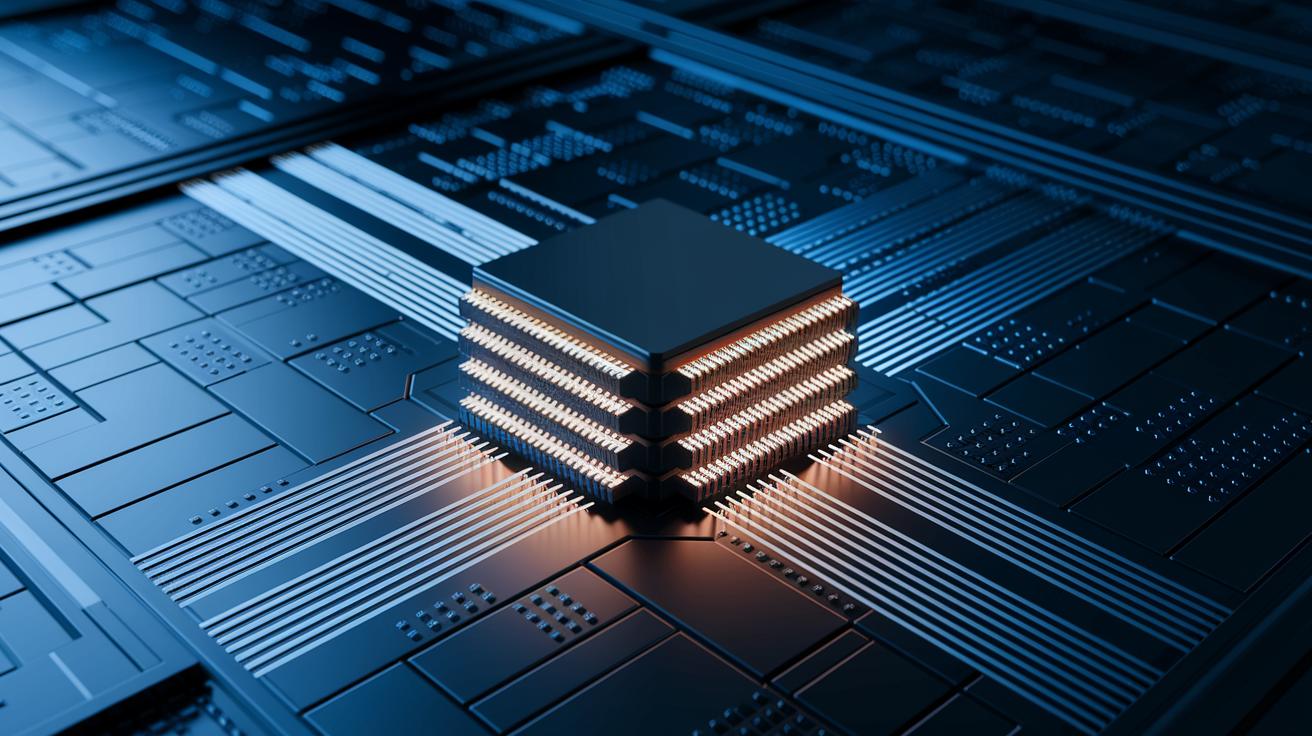
Future GPUs are ready to change how compute pipelines work. They use 3D-stacked chiplets and sub-5nm processes (tiny production features) to offer about 50% more cores and a 20% faster clock speed. This boost helps process heavy data tasks like AI and rendering much faster.
New memory tech plays a key role too. High-Bandwidth Memory (HBM) and Unified Memory Architecture (UMA) deliver up to 40% more data flow. In simple terms, large datasets and detailed models move swiftly between memory and processing units. Picture a studio speeding up frame rendering by running a command like "render_frame(use_HBM=True)". This shows how advanced memory features can quicken data access.
Key aspects of these innovations include:
- Novel integration of computation units that handle special tasks without slowing the main process.
- New accelerator hardware that not only ramps up raw performance but also conserves energy during long operations.
- Early tests on microarchitecture show marked improvements in both rendering and simulation tasks.
- Scalable hardware upgrades that let you improve or tweak systems without a full overhaul.
These advances will change the way graphics and compute tasks run. They help speed up training for complex AI models and enable smoother real-time visuals. More cores combined with faster memory access break current limits and open the door to breakthrough performance.
Energy Efficiency and Sustainable Design in GPU Workflows
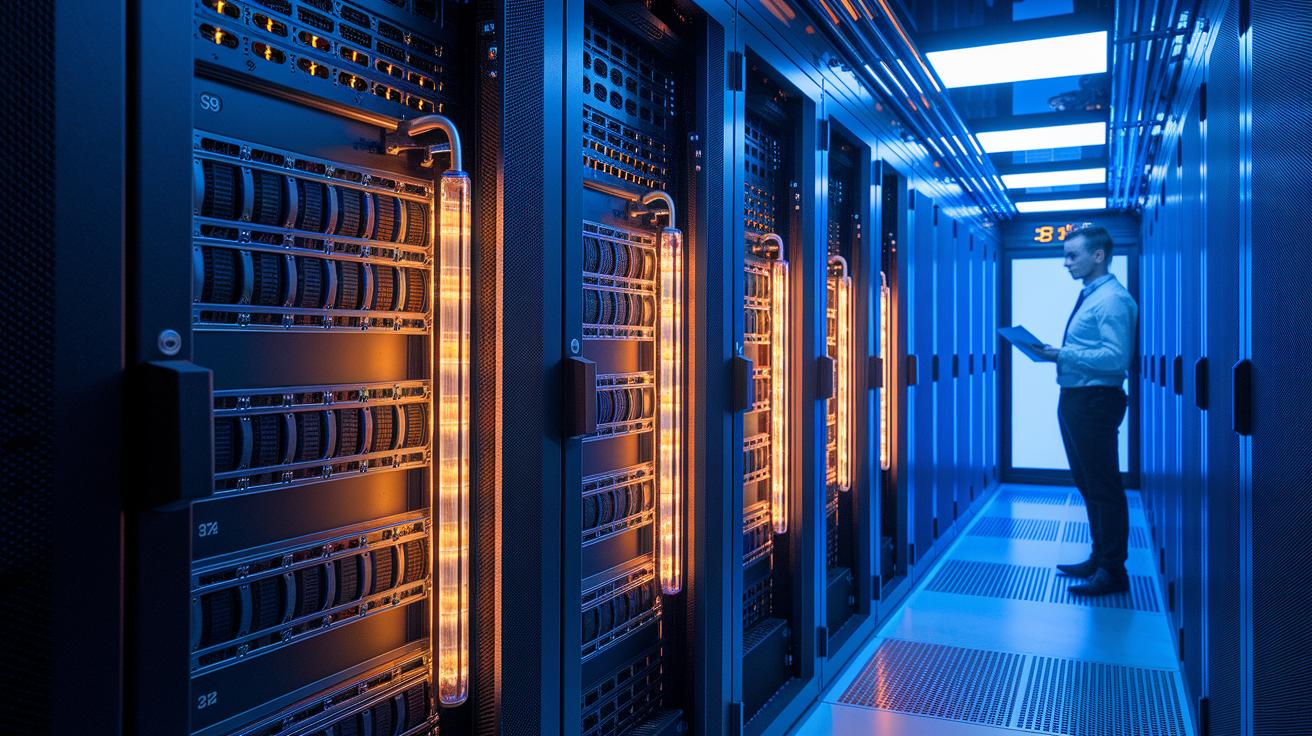
The next chapter in GPU processing is all about energy efficiency. NVIDIA’s dynamic voltage and frequency scaling (DVFS) and AMD’s AI-driven power management have already cut energy use by nearly 30%. This means systems can run at peak performance while keeping costs and environmental impact in check.
Data centers are embracing new hardware designs like liquid cooling and advanced heat sinks. These designs keep systems cool and allow them to maintain high performance without overheating. For example, running "nvidia-smi –query-gpu=temperature" lets you monitor temperatures and automatically trigger cooling measures.
Smart energy-saving algorithms further boost efficiency. They adjust processing loads based on real-time energy usage, balancing tasks to reduce power draw and extend equipment life.
Key benefits include:
| Benefit | Description |
|---|---|
| Lower Energy Bills | Performance adjusts in real time to meet demand. |
| Improved Reliability | Cooler operating environments enhance system stability. |
| Scalable Workflows | Systems adapt dynamically to workload variations. |
These innovations pave the way for workflows that are not only powerful but also sustainable and cost-effective.
Edge Computing and Real-Time Visualization in GPU Workflows

Compact GPUs such as the NVIDIA Jetson can achieve inference times under 10 ms. This breakthrough matters for applications like self-driving vehicles and smart devices. It means you get real-time visual analytics, where every millisecond helps in fast decision making. New rendering pipelines are now set up to process data right at the edge, pushing forward innovative virtual scene rendering and immersive experiences.
We can now distribute GPU tasks using federated learning techniques. In simple terms, this spreads the work across many devices, cutting down data transfer delays. This makes clear high-definition augmented reality (AR) and virtual reality (VR) possible without relying on central data centers. With 5G in play, edge devices manage continuous streams of data so that results are instant. For example, a smart city system could run a command like this:
analyze_visual --latency 9ms
This command shows how tweaking processing pipelines at the edge boosts the speed of visual rendering and content updates. The outcome is a dynamic ecosystem where immersive experiences merge with rapid analytics. These advances open doors to interactive public displays, virtual training setups, and live remote diagnostics.
| Benefit | Description |
|---|---|
| Enhanced Interactivity | Faster reactions improve real-time experiences. |
| Real-Time Decision Making | Instant data analysis for quick responses. |
| Scalable AR/VR Deployments | Efficient use of devices outside traditional centers. |
These improvements extend GPU power to every part of our connected world.
Software Ecosystem Evolution Optimizing GPU Workflows

Unified development environments now bring a fresh way to combine tools from different platforms. Modern frameworks merge CUDA (NVIDIA compute platform), ROCm, TensorFlow, PyTorch, and Vulkan into one system. This single ecosystem makes it easier to move code between systems while also offering built-in debugging and shared performance tracking. For instance, you can simply run a command like "compile_with_unified_flags(optimize=True)" that hides the details among different APIs and runs efficiently on various hardware.
New profiling tools are built right into these environments. They constantly adjust settings during runtime to boost efficiency and cut down on render time. Developers benefit from a common set of benchmark data, which helps guide engine design and fine-tuning performance. This marks a clear improvement over older systems that needed separate tools for testing and code optimization.
Key benefits:
- Unified API abstraction for easier code migration
- Integrated performance analytics that adjust in real time
- Streamlined debugging that works across different GPU vendors
- A modular design approach that enhances engine development
For more tips, please visit our resource on gpu workflow best practices.
Quantum Computing Integration in Future GPU Workflows
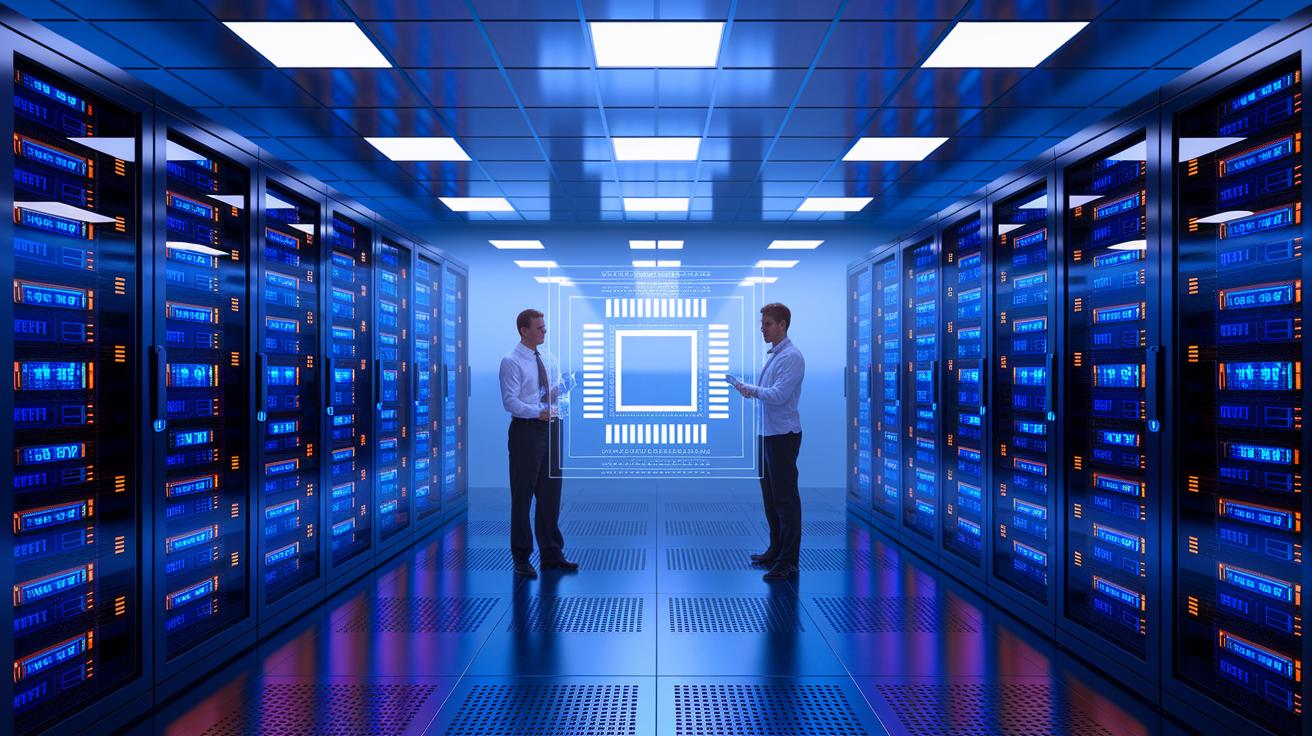
Soon, we will see systems that blend GPUs (graphics processing units) with quantum processors to boost computational tasks. GPUs will handle pre- and post-processing while quantum chips perform complex optimization and simulation tasks. This mix creates a smooth hardware-software bond, leading to configurable workflows that adapt easily. Developers will soon have user-friendly APIs and high-level tools that make it simple to add quantum acceleration to everyday applications.
For instance, you might run a simulation using a command like simulate(model, quantum_coalesce=True). This triggers quantum-based optimization while the GPU continues with standard processing. Such integration paves the way for breakthroughs in cryptography, drug discovery, and materials science. Researchers can assign tasks that shine with quantum parallelism to the quantum units, while the GPU takes care of routine computations.
Key benefits include:
- Seamless integration of quantum processors with existing GPU pipelines.
- Easier development through new, clear abstraction methods.
- Greater flexibility with models that evolve alongside quantum hardware.
By adopting modular frameworks and clear abstractions, the boundary between classical and quantum computing will fade. This shift will drive innovation and broaden the scope of what GPU workflows can achieve.
Final Words
In the action, we explored how breakthroughs across AI/ML integration, heterogeneous processing, and advanced GPU architectures drive faster renders and training runs. We examined energy-efficient designs, real-time visualization at the edge, and evolving software ecosystems that simplify your workflows. These shifts show that embracing future trends in gpu workflows not only enhances performance but also supports scalable, sustainable production. The road ahead is filled with promise, making it easier for teams to iterate faster while keeping reliability and cost in check.
FAQ
GPU for AI processing and what is NVIDIA GPU used for?
The term “GPU for AI processing” refers to using graphics processing units to accelerate AI tasks. NVIDIA GPUs power these tasks, delivering rapid parallel computations essential for machine learning and graphics rendering.
Why is Nvidia leading in AI, including Nvidia and AI explained and why is Nvidia important for AI?
Nvidia leads in AI by leveraging advanced hardware and an optimized CUDA ecosystem. Their GPUs are built with AI-focused features that enhance deep learning and complex computations, establishing them as a central player in the field.
Why do AI use GPU instead of CPU, including GPU vs CPU for AI and why does machine learning use GPU?
AI and machine learning benefit from GPUs because they offer massive parallel processing, which significantly shortens training and inference times compared to the serial processing of CPUs.
What are the future trends for GPUs?
Future trends for GPUs include greater AI/ML integration, heterogeneous computing with diverse processors, energy-efficient designs, and advanced architectures that meet growing demands in real-time analytics and HPC workloads.
Is Nvidia stopping gaming GPUs?
Nvidia is not stopping gaming GPUs. They continue to innovate in both gaming and professional markets, ensuring ongoing support and development for their gaming GPU lineup.
Will GPU prices raise in 2026?
GPU pricing in 2026 will depend on market demand, production costs, and technological advances. While projections vary, there is no confirmed indication of a significant price hike in that year.
What are the top 3 trends in the IT industry?
The top IT trends include the rise of AI and machine learning across industries, a shift toward edge computing and decentralized workflows, and a focus on energy-efficient, sustainable hardware solutions.