

Is slow machine learning burning through your budget? As models grow more complex, training costs have skyrocketed, sometimes matching a small business's monthly energy bill. Fortunately, modern methods use faster GPUs (graphics processing units) and smarter training techniques to cut down training time. In this post, we explain how these advances can lower your expenses and boost innovation, helping you achieve greater efficiency in your projects.
Cost benefits of machine learning acceleration spark success
Accelerated machine learning cuts both training time and costs for complex models. Research on 124 machine learning systems from 2009 to 2022 shows that compute expenses have grown by about 0.5 orders of magnitude per year. In plain terms, each year the cost to train models climbs sharply, even while GPUs (graphics processing units) deliver twice the performance per dollar every 2.5 years. To put it in perspective, by 2018 certain models cost as much to train as a small business spends on energy in a month.
The savings come from combining better hardware with smarter training methods. Factors such as how complex the solution is, the chosen training method (supervised learning, unsupervised learning, or reinforcement learning), the quality and size of the data sets, and the length of the experimentation phase all play a role. Additionally, costs for cloud computing, storage, consulting, and even missed opportunities add up. A notable example is Blockbuster’s estimated $6 billion loss due to slow innovation, which underlines the high cost of delay.
These efficiency gains in machine learning have outpaced traditional improvements described by Moore’s Law. The cost savings allow companies to allocate resources more effectively, quickly iterate on models, and ultimately achieve success in competitive markets with faster compute times and better AI performance.
Financial Metrics and ROI Analysis for Accelerated ML

Accelerated machine learning can reduce training times by up to 70%. This means your models finish their runs much faster. For example, one system recently cut its training time to nearly one-third of what it used to be. This improvement speeds up development cycles and lowers overall costs. Faster training also lets you see returns sooner, as early revenue and saved tuning time help balance the initial hardware investment.
When you use GPU clusters (groups of graphics cards working together), you often see a 40% drop in cost per training cycle compared to CPU-only systems. This lower cost allows you to direct funds toward new innovations. Many teams have found that when they shorten development cycles by 30% to 50%, they reach a break-even point within 12 months. In practical terms, this means you can achieve ROI in less than a year as saved labor hours and quick iterations add up.
Even if capital costs seem high at the start, the revenue boost from faster computation quickly makes up for them. Faster compute times not only speed up product releases but also provide a sustainable model for continuous improvement and market agility. In other words, boosting your machine learning speed translates into measurable monetary savings and quicker payback periods.
Hardware and Infrastructure Factors Impacting Cost Savings
GPU clusters can boost performance up to 10x compared to CPU systems. This faster processing cuts training time and reduces overall compute costs. Modern GPUs also show a trend where the compute you get for your money roughly doubles every 2.5 years. In other words, each new generation of GPUs delivers much more power for a lower price.
Cloud GPU rates can range from $0.50 to $6 per hour. This gives you pricing flexibility. However, when you use the hardware more than 60% of the time, running your own on-prem installations can lower your total cost of ownership (TCO) by 20% to 30% over three years.
| Deployment Model | Hourly Cost Range | TCO Considerations |
|---|---|---|
| Cloud | $0.50 – $6 | Higher if use is low |
| On-Prem | N/A | 20-30% lower over three years at >60% utilization |
Choosing the right GPUs and designing your cluster carefully is key for efficient machine learning. One team matched their hardware with the workload, which cut down model training duration and saved on capital expenses. Thoughtful infrastructure decisions like these can make your ML projects more cost-efficient and responsive.
Energy Efficiency and Operational Expense Reduction
Accelerated compute speeds up machine learning tasks while lowering energy bills and operating costs. Today's GPUs offer 3x more performance per watt than models from five years ago. That means you get triple the compute power for the same energy cost. For example, a GPU (graphics processing unit) that used to consume 100 watts now delivers triple the performance with a similar power draw.
Large training tasks can reduce energy expenses by 25% to 40% when using accelerated hardware. Data centers also save about 10% more through improved power usage effectiveness (PUE) and dynamic scaling. Consider this: upgrading to the latest GPU technology helped one team cut their energy bills by almost 30% in just one quarter.
These savings in power and operational costs lower the overall expense of running demanding machine learning workloads. Additionally, some utilities offer rebates for adopting high-efficiency infrastructure, making your investment in accelerated compute a win for both performance and cost.
Case Studies Demonstrating Cost Savings from ML Acceleration
An emotion recognition system shortened its inference time by 60% and lowered cloud expenses by 35%. This change improved real-time analysis during live events by delivering faster feedback. For example, a model that previously took 50 milliseconds for each emotion detection now works almost twice as fast, cutting operating costs significantly.
A fitness mirror that provides real-time coaching offers another clear example. By streamlining compute processes, the system reduced its cost per session by 45%. Imagine a device that analyzes your workout data and gives you instant advice while keeping expenses low. This efficiency lets developers reinvest savings into enhancing user engagement and expanding features without raising costs.
An automated optical character recognition (OCR) pipeline also made a big impact by running four times faster than before. This boost in speed saved about $150,000 annually in labor and overhead. A task that used to take 80 minutes now finishes in just 20 minutes, freeing up resources to tackle other work.
Additionally, using pre-trained models cut development costs by 20%. Instead of building from scratch, the team fine-tuned existing models for their needs. This approach lowered the initial investment and shortened project timelines.
Together, these case studies show that accelerating machine learning workflows can reduce costs, boost productivity, and optimize resource allocation across various applications.
Break-Even Timelines and Projected ROI for Speed-Optimized ML
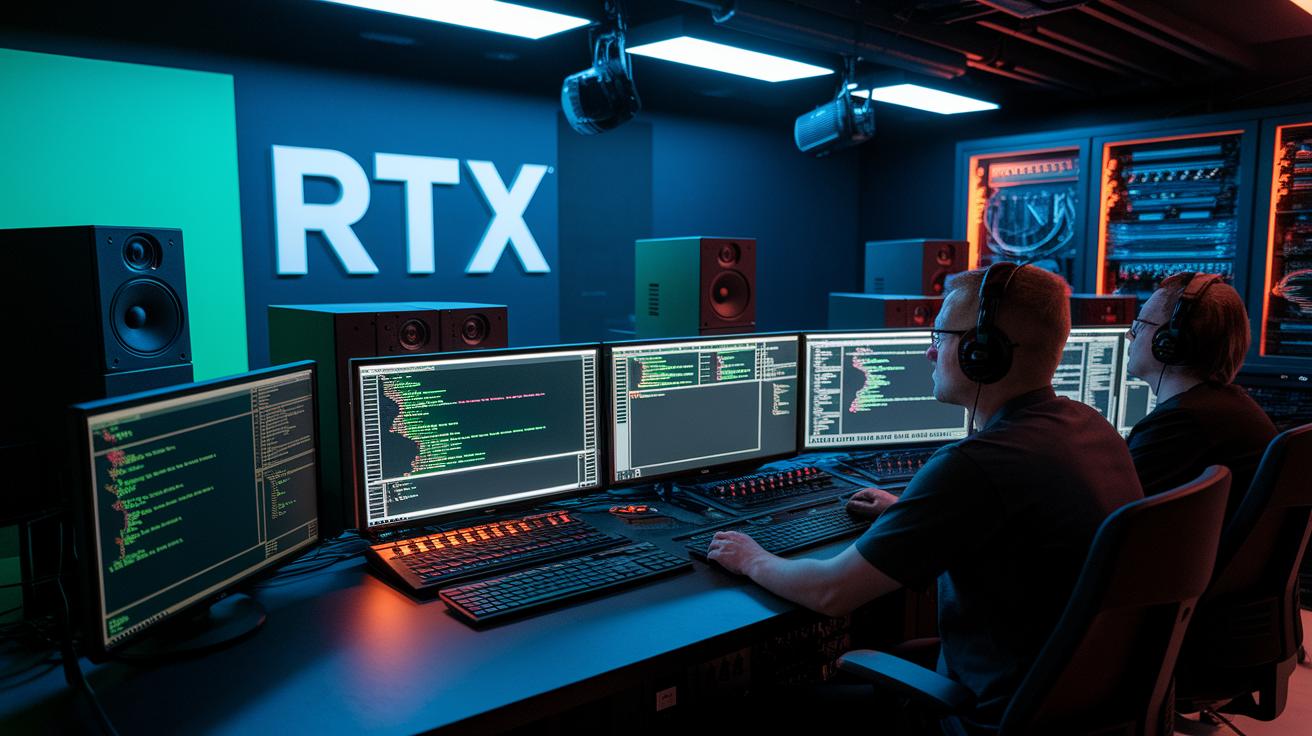
While most projects break even in 6–12 months, speed-optimized machine learning offers extra value by trimming down iteration cycles and lowering labor expenses. In one mid-size virtual production project, engineers used NVIDIA RTX hardware with CUDA optimization (NVIDIA’s compute toolkit) to cut model iteration time by 30%. This boost not only moved the go-live date up by 2–3 months but also saved each engineer around 25 labor hours per week, giving more room for creative and technical improvements.
Consider this scenario: one studio reduced its iteration time by 30%, which shaved nearly 2 months off its delivery schedule and pushed overall efficiency well beyond typical ROI estimates.
| Metric | Traditional Process | Speed-Optimized Process |
|---|---|---|
| Iteration Time | Standard speed | 30% faster |
| Go-Live Date | On schedule | 2–3 months sooner |
| Labor Hours per Engineer | Regular weekly hours | +25 saved hours weekly |
These case examples show that targeted investments in accelerating processing not only reduce delivery times but also trim manpower expenses, offering clear financial benefits over standard ROI estimates.
Risks, Pitfalls, and Best Practices in Cost-Optimized ML Acceleration
Underused GPU (graphics processing unit) capacity can add about 15% extra idle costs. When budgets are tight, you simply can't afford this extra spend. Imagine a GPU cluster running at low capacity, it wastes money and cuts into the benefits of faster machine learning.
Pipeline bottlenecks also weaken these advantages. When data or computation is held up, the speed of processing doesn't matter as much. These delays often stem from poorly planned workflows or outdated hardware, which can slow down project delivery and drive up costs.
Keeping a close eye on resource use is key. Regular benchmarking (running performance tests) and capacity planning have helped prevent up to 20% in budget overruns. This ensures every part of your machine learning pipeline works at its best.
Using MLOps (machine learning operations) best practices like version control and automated scaling can further curb inefficiencies. These methods have saved up to 25% of projected costs by streamlining project updates and deployments. For more on GPU use and convergence best practices for machine learning and rendering, check out gpu acceleration for machine learning and rendering (https://studiogpu.com?p=391).
Together, these strategies help reduce technical debt and lower operational costs, ensuring that quicker machine learning truly translates into real cost savings over time.
Final Words
In the action, we reviewed how hardware, software, and energy improvements drive faster ML workflows. We broke down ROI, break-even timelines, and the impact of efficient GPU clusters.
Short case studies and best practices helped clear up cost drivers and risks in acceleration projects. This guide offers practical insights for reducing render and training times without sacrificing reliability.
Embrace these cost benefits of machine learning acceleration to create faster, predictable workflows and boost production outcomes.
FAQ
What are the cost benefits of machine learning acceleration?
The cost benefits of machine learning acceleration show that faster training reduces cloud spending and shortens development cycles. Improved hardware efficiency and optimized training pipelines lower overall ML project costs.
What is the typical cost of machine learning and how can it be estimated?
The typical cost of machine learning depends on hardware, data quality, training complexity, and infrastructure. Estimators and calculators help gauge expenses, which vary with project scale and deployment needs.
How does AI reduce costs in business?
The way AI reduces costs in business is by speeding up processing and cutting labor and energy expenses. Rapid AI implementations lead to shorter development cycles and lower operational overhead.
What is the 80/20 rule in machine learning?
The 80/20 rule in machine learning means that about 80% of performance gains come from 20% of the efforts, such as tuning a small set of key parameters or optimizing critical portions of data.
What is machine learning acceleration and what are the benefits of AI accelerators?
Machine learning acceleration involves using high-performance hardware and optimized libraries to speed up training. AI accelerators offer lower cost-per-epoch and faster iteration cycles for model refinement.
How much did ChatGPT-4 cost to train?
The cost to train ChatGPT-4 was very high. Estimates suggest that extensive GPU usage and large-scale data processing drove total training expenses into the multimillion-dollar range.